

Creating a peaceful and inviting prayer room is an crucial aspect of improving spiritual growth for people and groups alike. A prayer room serves as a holy space where one can link with the divine, seek comfort, and engage in personal meditation. Whether it is a humble nook in a home or a grand building in a public setting, the design choices made can profoundly impact the experience of worshippers.
In the context of current spiritual traditions, the value of prayer space design cannot be underestimated. From the arrangement and palette to the selection of seating and prayer mats, every element contributes to an environment that fosters tranquility and personal development. As we investigate the different inspirations and ideas behind prayer areas, we will discuss the qualities that define the ideal space for prayer, including the equilibrium of aesthetics and functionality in both male and female prayer spaces, as well as the special aspects found in modern Islamic prayer area designs across diverse cultures, including those in places like the UAE.
Key Components of Meditation Room Architecture
A thoughtfully arranged prayer room is vital for creating an environment conducive to religious reflection and connection. home decorator, of the key elements is the layout, which should provide a clear focal point, typically oriented towards the Qibla for Islamic prayers. The design of the space should consider both individual and communal worship, allowing for a seamless experience whether used for personal contemplation or group prayers. Inclusivity is also key, ensuring that all people, including those with limited mobility, can participate without hindrance.
Another key aspect is the selection of furnishings and hues. The planning should include tranquil tones that promote calmness. Natural materials like wood can create a cozy atmosphere, while gentle textiles for prayer rugs contribute to comfort. Illumination also plays a crucial role; using gentle lighting can enhance the peaceful ambiance, while large windows can allow natural light and link the room to the exterior, fostering a sense of openness and calm.
Finally, including elements of décor that reflect cultural values can enhance the spiritual experience within the room. This includes the use of calligraphy, art, or symbols that reflect faith. Additionally, incorporating plants or water features can contribute to a peaceful ambiance, bridging the gap between nature and spirituality. By intentionally taking into account these factors, a prayer room can become a sanctuary that nurtures the soul and invites profound reflection and connection.
Fusing Cultural and Contemporary Design
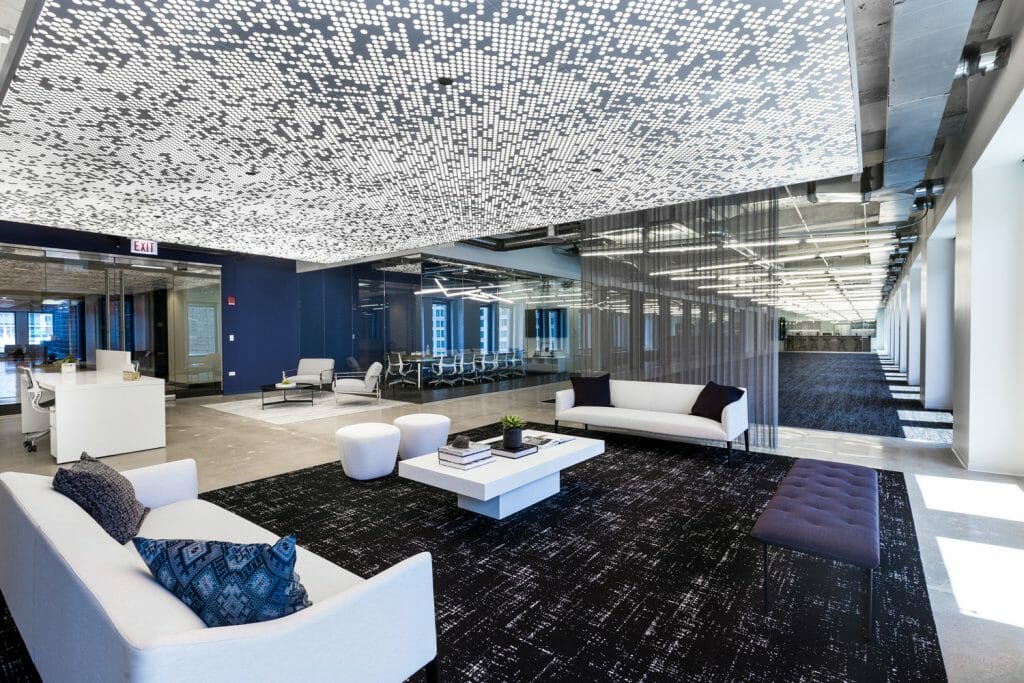
As designing a prayer room, it is crucial to blend heritage elements with modern aesthetics to build a peaceful and comfortable space. Cultural motifs and symbols can embody the sacred nature of the space while offering a sense recognition and ease for its users. Incorporating features such as decorative glass panels depicting historical Islamic design or detailed tile work can boost the cultural significance of the prayer hall. These design choices not only celebrate heritage but also connect occupants on a deeper spiritual plane.
Contemporary design can be smoothly integrated by employing straight edges, streamlined furnishings, and subdued color palettes. A harmony between heritage and contemporary ease can develop a harmonious environment conducive to meditation and introspection. For example, incorporating contemporary pieces that highlight functionality, such as modular prayer rugs or adjustable illumination, can boost the experience without compromising the space's purpose. The utilization of natural materials, such as wood and rock, can also create a tranquil atmosphere that aligns with both heritage and contemporary principles.
Moreover, innovative tech can play a role in enhancing the effectiveness of the prayer room. Features like integrated sound systems for recitations, intelligent lighting that changes according to the time of worship, and temperature regulation ensure that the space remains inviting and conducive for worship. By thoughtfully blending cultural elements with contemporary amenities, the space can serve as a welcoming sanctuary where tradition meets contemporary demands, fostering a refreshed sacred connection for its users.
Helpful Aspects for Residential Prayer Spaces
When designing a residential prayer room, the choice of place is crucial. Ideally, the area should be quiet and removed from the chaos of everyday life, allowing for undisturbed worship. This might be a specific room, a section in a bigger room, or an exterior area that is secluded and calm. Natural lighting can enhance the environment, so think about placing the room to take benefit from daylight while maintaining privacy.
Setting up the prayer room should embody simplicity and functionality. Fundamental elements include a prayer rug, which serves as a centrepiece for the prayer space, and storage for prayer accessories such as Qurans and prayer beads. Seating can also be included for those who may wish to sit and meditate or read. The overall aesthetic should promote peace and spirituality, utilizing natural materials and soothing colors that resonate with the goal of the space.
Finally, consider the incorporation of technology thoughtfully. While it’s key to maintain a distraction-free environment, having a sound system for soothing recitations or a discreet digital clock for timing prayers can enhance the experience. Individual details, such as wall art or decorative items that embody one’s faith and inspiration, can also render the space feel more inviting and personal. By thoughtfully addressing these considerations, your prayer room can become a true refuge for spiritual reflection and connection.